Recycling and Sustainability for Gardeners Walthamstow
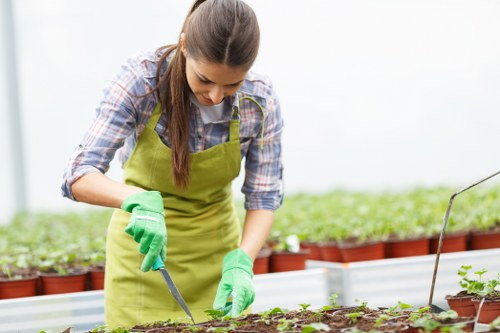 Gardeners Walthamstow is committed to greener site care, responsible green waste handling, and practical sustainability across every project. From pruning and clearance work to full garden makeovers, our approach is shaped by recycling-led habits that reduce landfill use and support a cleaner local environment. In a borough where waste separation, reuse, and careful material sorting are increasingly part of everyday life, we aim to work in step with local expectations and best practice.
Our recycling and sustainability policy is built around a clear recycling percentage target: we aim to divert at least 90% of suitable garden waste and recyclable materials away from general disposal wherever the material quality allows it. That includes green waste, soil, wood, metal fixtures, plant pots, cardboard, and certain hard landscaping offcuts. The goal is not just to remove waste efficiently, but to make sure each load is assessed for the most environmentally responsible route.
For many Walthamstow gardens, this starts with sorting materials on site. We separate organic waste from reusable timber, segregate metal and plastic where appropriate, and keep inert rubble apart from compostable matter. This mirrors the wider approach taken by local borough waste systems, where clearer separation helps improve recovery rates and keeps contamination out of recycling streams. Simple sorting at source can make a significant difference to how much can be reused or processed properly.
 Local transfer stations play an important role in our workflow. When garden materials need to be moved off site, we use nearby facilities that are suited to receiving green waste, soil, mixed recyclables, and certain construction-related by-products. By routing loads through appropriate transfer stations, we reduce unnecessary journeys and make sure materials are handled in the correct waste stream. This also supports efficient collection planning and helps keep truck movements lower than a less organised disposal process.
In practice, that means a mixed garden clearance is not treated as a single waste problem. Instead, a mature hedge cutback may produce compostable cuttings, while an old shed removal can yield timber, fixings, and metal elements that can be separated for different treatment. Gardeners Walthamstow works to keep these items flowing into the right channels, which is especially important in densely populated neighbourhoods where space is limited and waste handling needs to be precise.
We also recognise the value of partnerships with charities. Good-quality surplus materials such as planters, edging timber, pots, decorative stone, and usable garden furniture may be directed to local charitable organisations where reuse is possible. Some items can support community gardens, allotment projects, or low-income households looking to improve outdoor spaces affordably. This creates a more circular model of garden maintenance, with useful materials given a second life instead of being discarded.
 These charity partnerships are especially meaningful in an area like Walthamstow, where community groups often do valuable work on shared green spaces. By redirecting reusable items, we help extend the lifespan of materials and support local sustainability projects at the same time. Recycling for gardeners in Walthamstow is therefore not only about waste reduction; it is also about contributing to the wider social fabric of the borough.
Transport is another area where sustainability matters. Our low-carbon vans are chosen to reduce emissions associated with garden waste collection and site visits. Where possible, we use vehicles with improved fuel efficiency and lower exhaust output, and we plan journeys to avoid unnecessary mileage. Route optimisation helps us combine jobs effectively, cut idle time, and reduce the carbon footprint of each project. This is an important part of our wider effort to deliver greener landscaping and clearance services.
We also pay attention to the type of work being carried out. Seasonal pruning, bed clearances, turf removal, and general garden tidying each generate different materials, so the recycling plan is adapted accordingly. Green waste may be mulched or composted where suitable, while harder items such as broken terracotta, plant support wire, or damaged edging materials may be channelled into specialist recycling processes. The aim is always to match the material with the most appropriate and least wasteful outcome.
Gardeners Walthamstow follows a sustainability-first mindset that begins before the first cut is made. We think about the end destination of materials as well as the work itself, so the environmental impact stays front of mind. That includes advising on manageable ways to reduce waste during future garden improvements, such as choosing durable products, reusing healthy plant matter, and limiting unnecessary packaging where possible. Responsible material handling is part of the service, not an afterthought.
Walthamstow and the wider local area also reflect a growing awareness of borough-specific waste separation practices. Clean streams for food waste, dry recyclables, garden waste, and residual waste all support better recovery, and our own sorting approach aligns with that principle. By keeping recyclable and compostable materials distinct, we make it easier for transfer facilities and downstream processors to recover usable resources and reduce contamination.
Our recycling percentage target remains a benchmark we work toward on every suitable job, and we review our methods regularly to improve performance. Alongside the use of low-carbon vans, transfer station routing, and charitable reuse, this helps us build a genuinely greener service. For customers seeking a practical, environmentally aware approach to garden work, Gardeners Walthamstow offers a model that supports both tidy outdoor spaces and a lower-impact future.