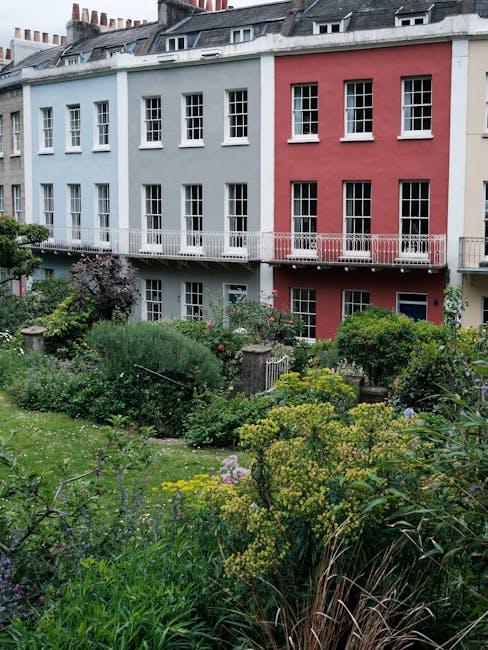
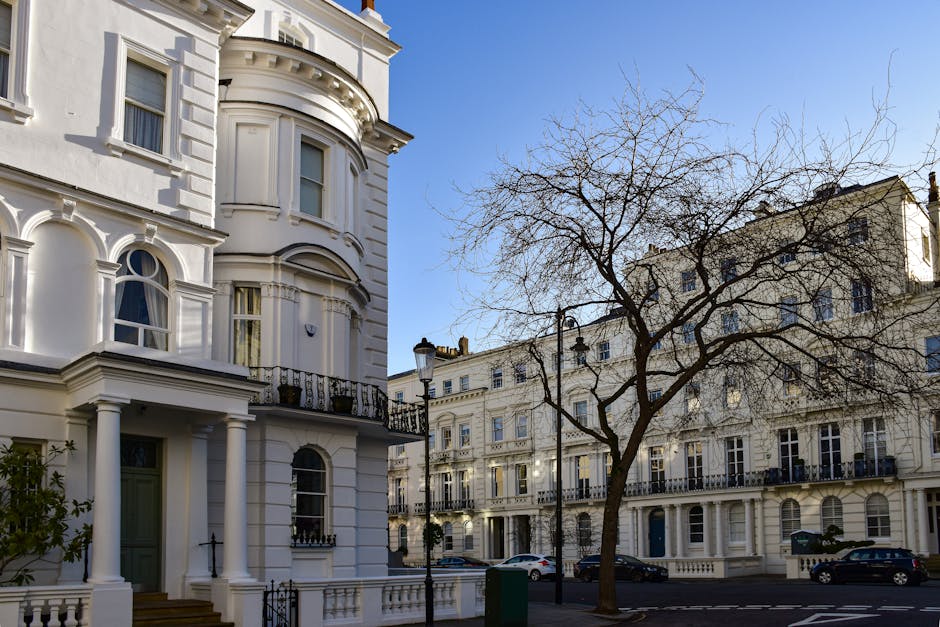
Walthamstow Village gardeners for period property gardens
Period gardens in Walthamstow Village have a particular charm: mature boundaries, original brickwork, narrow access routes, old paving, and planting that should feel settled rather than over-designed. The trouble is that these gardens can also be a little unforgiving. One hard prune, the wrong paving cleaner, or a modern layout that ignores the house can throw the whole thing off. That is why choosing Walthamstow Village gardeners for period property gardens matters so much. You want someone who understands restraint, proportion, and the practical realities of working around heritage details without making a fuss about it.
This guide breaks down how to care for a period garden properly, what good local gardeners actually do, the common mistakes to avoid, and where services like regular garden maintenance in Walthamstow or thoughtful landscaping support fit into the bigger picture. Whether your outdoor space is a compact Victorian yard, a cottage-style front garden, or a deeper rear plot with mature shrubs and old hard landscaping, the aim is the same: keep the garden looking authentic, healthy, and easy to live with.
Table of Contents
- Why period property gardening matters
- How the work is approached
- Key benefits and practical advantages
- Who this is for and when it makes sense
- Step-by-step guidance
- Expert tips for better results
- Common mistakes to avoid
- Tools, resources and recommendations
- Law, compliance, standards or best practice
- Options, methods, or comparison table
- Case study or real-world example
- Practical checklist
- Conclusion
- Frequently asked questions
Why Walthamstow Village gardeners for period property gardens Matters
Period homes tend to look best when the garden supports the architecture rather than competing with it. A terrace with London stock brick, sash windows, and traditional proportions usually needs planting and hard landscaping that feel coherent, not flashy. That might sound obvious, but it is where many gardens slip. A neat house can feel oddly "off" if the patio is too contemporary, the boundary treatment too heavy, or the planting too architectural for the style of the property.
In Walthamstow Village, gardens often sit in awkwardly shaped plots, with side returns, long narrow runs, shaded corners, and mature trees that have their own opinions. A good gardener reads all of that. They notice where winter light falls, where damp lingers, where old roots have claimed the soil, and where a path needs to work harder because the width is tight. It is practical design, not just decoration.
There is also the heritage side. Even if your property is not formally listed, many homes in the area have a recognisable period character. Overly aggressive reshaping can erase the very features that give the place its value. We are talking about existing brick edging, old stone flags, established hedging lines, and traditional planting rhythms that suit the building's age. A careful gardener protects these details while making the space easier to use.
And yes, there is a maintenance reality too. Period gardens can become expensive-looking in the wrong way if left to sprawl. Ivy climbs where it should not. Hedges lean. Old lawns thin out. Borders become patchy. A local gardener who understands the rhythm of these spaces can keep the whole thing under control before it starts eating your weekends. To be fair, that is half the battle.
How Walthamstow Village gardeners for period property gardens Works
The work usually starts with observation rather than action. That is the right order. Before anything is cut, moved, or built, a gardener should assess the structure of the garden: light, drainage, soil condition, existing trees and hedges, access, and the age and condition of paths, walls, fences, and beds.
Then comes the question of purpose. Period gardens are not all about preserving every old feature. Some need to be made family-friendly, some need better privacy, some need lower maintenance, and some need a softer, more atmospheric feel. A sensible plan balances all of that. For example, if the garden is overlooked, a layered planting scheme and careful screening may work better than an opaque boundary. If the lawn is tired and difficult to mow, a smaller but healthier lawn backed up with beds or gravel might be a smarter long-term solution.
There is also a practical sequence to the work. Often it looks like this:
- Clear and tidy without stripping the character out.
- Inspect hard landscaping for cracks, moss, drainage issues, or movement.
- Prune and shape shrubs and hedges to restore structure.
- Improve soil and border health.
- Repair or replace tired features in a sympathetic style.
- Introduce planting that suits shade, aspect, and the age of the garden.
- Set up a maintenance rhythm that keeps the result looking good.
In many cases, the best results come from combining regular care with one-off improvements. A service like general gardening services in Walthamstow can handle the ongoing work, while a more focused job such as hedge trimming or tree surgery can deal with structural growth that is becoming unwieldy.
And if your outdoor space is already halfway there but needs a reset, you might be looking at a broader refresh, not a full redesign. That is where a well-judged tidy-up and a few smart interventions can make a big difference. Often, not everything needs replacing. Sometimes it just needs breathing room.
Key Benefits and Practical Advantages
The main benefit is simple: a period garden looks right when it is cared for with the right touch. But there are several practical advantages too.
- Preserves character: traditional lines, mature planting, and existing materials are respected rather than erased.
- Improves liveability: paths become easier to use, borders more manageable, and seating areas more inviting.
- Reduces long-term hassle: regular maintenance stops small problems from becoming big ones.
- Supports plant health: pruning, feeding, mulching, and soil improvement all help older gardens recover.
- Boosts kerb appeal: especially important where front gardens and boundary planting make the first impression.
- Makes better use of awkward spaces: side returns, narrow beds, and shaded pockets can all be put to work.
There is another advantage that often gets overlooked: emotional ease. A garden that looks settled and cared for changes how a home feels. You open the curtains in the morning and the space looks calm rather than chaotic. You step outside after work and the paving is clean, the borders are tidy, and the planting feels intentional. It sounds small. It is not small.
For homes with lawns, a specialist approach can matter a lot. If the grass is patchy or prone to weeds, proper lawn care or lawn mowing support keeps the space looking balanced rather than worn out. In a period setting, a rough lawn can make the whole garden look tired, even if the rest is fine.
Who This Is For and When It Makes Sense
This kind of gardening makes most sense if you own or manage a home where the garden is part of the property's character. That might be a Victorian or Edwardian house, a Georgian-style terrace, a cottage-inspired home, or a later property that still benefits from a more classic outdoor feel.
You are probably the right fit if any of these sound familiar:
- Your garden has mature shrubs, old trees, or established boundaries that need careful handling.
- You want to improve the space without making it look new-build neat.
- You have inherited a garden that has become overgrown or uneven.
- You need regular upkeep but do not want a rigid, cookie-cutter approach.
- You are trying to match planting and materials to the age of the house.
It also makes sense if you are preparing a property for sale or rental. A period garden that looks coherent can quietly raise the whole impression of the house. Not in a flashy way. Just in the way people notice when something feels cared for.
There is a common misconception that period gardens must be formal or expensive to maintain. Not at all. Some of the most successful ones are relatively simple. The key is proportion, repetition, and sensible upkeep. If you get those right, the garden can look special without becoming a full-time job.
Step-by-Step Guidance
If you are planning work on a period garden, this is a practical way to think it through.
1. Start with a proper walk-through
Look at the garden from inside the house, from the back door, and from the far end if you can. What do you actually see first? What feels cluttered? Which areas are carrying the space and which are dragging it down? This sounds basic, but it is where good decisions begin.
2. Identify the fixed features
Some things should be worked around, not replaced in a rush. Old brick walls, stone edging, mature trees, and original paths often shape the identity of the garden. If one of these features is failing structurally, then it may need repair or replacement. But do not assume the quickest option is the best one.
3. Tackle overgrowth before design
If shrubs are swallowing the borders or climbing plants are overwhelming the house, address that first. A garden cannot really be designed while it is hiding under itself. A careful cutback will reveal what is worth keeping.
4. Improve the soil and planting base
Many older gardens have compacted soil, depleted borders, or areas that drain badly after rain. Before adding new plants, improve the soil structure and mulch where needed. That alone can transform how a border behaves through the season.
5. Choose planting that respects the property
Think in layers: structure at the back, seasonal interest through the middle, and softer ground-level planting to knit it all together. Traditional-style borders often work well with a mix of evergreen shape, perennials, and a few reliable climbers. If the space is tight, container planting can also be a smart way to add interest without crowding the garden. You can explore more ideas in this container gardening guide.
6. Repair hard landscaping with sympathy
Paths, patios, stepping stones, and boundary features should look intentional. If paving is slippery or stained, a careful clean can make a massive difference. Services like patio cleaning are especially useful where the original surface is worth keeping but needs proper attention.
7. Set a maintenance rhythm
Once the garden is back in shape, decide what needs doing monthly, seasonally, and annually. If this step gets skipped, the garden drifts. It always does. A routine through scheduled garden maintenance makes the difference between a one-off tidy and a long-term result.
Expert Tips for Better Results
Here are a few practical habits that make period gardens easier to live with and better looking too.
- Prune with purpose, not just volume. The aim is shape, light, and airflow, not stripping every shrub back to a skeleton.
- Keep a visual rhythm. Repeating a few plants or materials creates calm. Too many competing features make period spaces feel busy in the wrong way.
- Use evergreen structure sparingly. It is useful, especially in winter, but too much of it can make a garden feel stiff.
- Respect the house line. Planting should frame the property, not hide it.
- Watch the edges. The border between path and planting matters more than people think. It is where "tidy" becomes "designed".
- Work with the seasons. Spring and autumn are often the best times to refresh planting; midwinter is often better for planning and structural work.
One thing we notice a lot: people often over-correct. A garden has been a bit wild, so they want to make it extremely neat. But in a period setting, perfect symmetry can feel a bit dead. A little softness is part of the charm. Let's face it, a garden that looks alive usually is alive.
If you are considering a more screened or private layout, a carefully chosen hedge can be better than a fence in many period gardens. For ideas on planting that gives privacy without looking harsh, have a look at privacy hedges for the home. And if the boundary itself needs work, fencing services can be part of a sympathetic overall plan.
Common Mistakes to Avoid
Period gardens usually go wrong in a handful of predictable ways.
- Using modern materials that clash. Ultra-sleek finishes can sit awkwardly beside older brick, clay, or weathered stone.
- Pruning too hard. Some shrubs never recover their shape properly after a heavy cut.
- Replacing character too quickly. Mature planting and old features are often the very things that give the garden soul.
- Ignoring drainage. Damp patches, blocked runs, and soil compaction can undermine everything else.
- Choosing plants only for looks. In older gardens, aspect and soil matter just as much as style.
- Creating maintenance you will not keep up. A beautiful but fragile layout is not a win if it becomes exhausting by July.
Another quiet mistake is forgetting the front garden. In many Walthamstow Village homes, the front plot carries a surprising amount of character. If it is overgrown, cracked, or bare, the whole property feels less balanced. Sometimes the rear garden gets all the attention and the front is left to fend for itself. Shame, really.
For lawns that are thinning or riddled with weeds, do not assume a full replacement is the only answer. Sometimes a proper recovery plan is enough. You can compare longer-term care with lawn care support and more routine mowing services to see what your garden actually needs.
Tools, Resources and Recommendations
You do not need a warehouse of equipment to care for a period garden well. In fact, too much equipment can become clutter. The basics still matter most.
- Good secateurs for precise pruning
- A reliable hedge cutter or shears for shaping
- A sturdy fork and spade for border work
- Rake, broom, and edging tools for keeping lines crisp
- Mulch, compost, and organic feed for soil improvement
- Gloves with decent grip and enough flexibility for detail work
- Pressure washing only where suitable, and with care on older materials
If you are learning to manage the garden yourself, a practical starting point is the beginners' gardening tips article. For bigger clearances, the guide on overrun garden makeovers is a useful read. And if your layout feels cramped, vertical gardening ideas can help you use walls and fences more intelligently.
When a project includes new hard landscaping or a redesign of tired outdoor surfaces, a broader professional plan can save time and avoid mismatched materials. That is where local landscaping work often fits naturally into the mix.
Law, Compliance, Standards, or Best Practice
Most garden work in period properties is straightforward, but there are still sensible UK best practices to follow. If a tree is protected, in poor condition, or overhanging in a way that affects neighbours, it is worth checking responsibilities carefully before work begins. A reputable gardener will know when a specialist opinion is needed, especially where larger trees are involved.
Noise, access, waste handling, and boundary work should also be handled responsibly. In a built-up village setting, that means being considerate about timing, keeping shared access clear, and making sure cuttings and debris are removed properly. If a boundary feature belongs to a neighbour, or there is any doubt over ownership, it is better to pause and clarify than to assume.
For older paving, brickwork, and stone, best practice is usually to clean and repair gently rather than aggressively. Some materials tolerate more than others, and a heavy-handed approach can do damage that is hard to undo. A bit of caution saves a lot of regret later. Truth be told, that is a general rule for period gardens as a whole.
On the plant side, the best practice is to select species that suit the site rather than pushing a style that only works in magazines. Shade, root competition, drought-prone patches, and wind exposure all shape what will thrive. If a plant is struggling every year, it may be the wrong plant for the spot, full stop.
Options, Methods, or Comparison Table
If you are deciding how to handle a period garden, it helps to compare a few common approaches side by side.
| Approach | Best for | Strengths | Watch-outs |
|---|---|---|---|
| Light-touch maintenance | Gardens already in decent shape | Keeps character intact, lower disruption, good value over time | Won't solve deeper layout or drainage problems |
| Sympathetic refresh | Tired gardens needing structure | Improves usability while protecting original feel | Needs a clear plan so it doesn't become a muddle |
| Full redesign with period cues | Very neglected or badly altered gardens | Can restore balance and function from the ground up | More cost, more planning, and easy to overdo |
There is no single "correct" approach. A small garden with strong original features may only need light-touch care and good planting. A larger, neglected space may need a structured redesign. The right answer depends on what is already there, how much you want to change, and how much upkeep you can realistically manage.
If you are considering seating, remember that a period garden often benefits from one calm, well-sited place to sit rather than several competing zones. For inspiration, you could also look at beautiful seating spots and, if you prefer something more restrained, calming zen garden ideas.
Case Study or Real-World Example
A typical Walthamstow Village situation might go like this. A homeowner has a narrow rear garden behind a period terrace. The space has a tired lawn, a few mature shrubs that have grown unevenly, old paving that has gone slippery, and a fence line that is doing its job but looking a bit sorry for itself. The garden has structure, but it has lost its shape.
The first step is not a dramatic redesign. It is a careful reset. The overgrowth is thinned, the lawn is assessed, the paving is cleaned, and the border edges are restored. A few shrubs are reshaped to let in light. One side of the garden gets a stronger evergreen backbone, while the other side is softened with plants that bring movement and seasonal change. The result is not "new". It is better. More coherent. More in keeping with the house.
Now picture the same garden six months later. The paths are clearer, the plants are settling in, and the whole place feels easier to use on a wet afternoon or a sunny evening with a cup of tea. Nothing dramatic happened. No gimmicks. Just careful decisions made in the right order. That is usually what gives the best outcome.
For properties where the boundary or screening is part of the story, a tidy hedge line can be just as important as the planting. If you need help keeping those lines under control, the dedicated hedge trimming service can be a useful part of the long-term plan.
Practical Checklist
Use this before starting any work on a period garden.
- Have you identified the fixed historic features worth preserving?
- Does the garden feel balanced when viewed from inside the house?
- Are there areas of overgrowth, shade, or poor drainage that need attention?
- Do the paving, paths, and boundary features suit the age of the property?
- Have you chosen plants that match the soil, light, and maintenance level?
- Is the lawn worth keeping, reducing, or renewing?
- Have you planned for seasonal maintenance after the initial work?
- Will the result still feel like the property, not just a trendy garden?
- Have you checked whether any trees or boundary issues need special care?
- Do you have a realistic idea of the upkeep you can keep up with?
If you can answer most of those confidently, you are in a good place. If not, that is fine too. Better to slow down than rush into changes that fight the house.
Conclusion
Walthamstow Village gardeners for period property gardens need to do more than tidy borders or plant a few shrubs. They need to protect the feel of the home, work respectfully with older materials and mature planting, and make the space easier to enjoy without stripping away its character. That balance is what gives period gardens their quiet power.
The best results usually come from observation, restraint, and a clear maintenance plan. Not a flashy overhaul. Not a one-size-fits-all solution. Just careful, local garden work done with a proper understanding of the property in front of you. And honestly, that is where the real value lives.
If your garden is ready for a considered refresh, now is a sensible time to speak with a local team that understands period homes, traditional layouts, and the quirks of village gardens. For a friendly next step, explore the right service fit and get the conversation started before the season runs away with you.
Get a free quote today and see how much you can save.
Frequently Asked Questions
What makes a gardener suitable for a period property garden?
A suitable gardener understands proportion, older materials, mature planting, and the need to preserve character while improving function. They should be careful, not heavy-handed.
Can period gardens be made low maintenance?
Yes, but not by stripping everything back. The best low-maintenance approach usually uses durable planting, sensible layouts, and a realistic maintenance routine rather than constant redesign.
Do I need landscaping for a period garden?
Not always. Some gardens only need maintenance and a few targeted improvements. Landscaping makes sense when paths, patios, boundaries, or levels need reworking.
How often should a period garden be maintained?
That depends on the planting and season, but regular visits are usually better than occasional big clearances. Small, consistent care keeps older gardens looking settled.
What if my garden has been overgrown for years?
Start with a clearance and a careful assessment. It is usually better to uncover what is already there before deciding what to remove or replace.
Can old paving or patios be cleaned safely?
Often yes, if the method suits the surface. Older stone and brick should be treated gently. A cautious clean is usually preferable to aggressive pressure washing.
Is hedge trimming important in period gardens?
Very much so. Hedges often provide the structure that helps the whole garden feel composed. Poorly trimmed hedging can make even a good garden feel scruffy.
Should I keep the original lawn in a period garden?
Only if it is practical and healthy enough to justify the space. Sometimes a smaller lawn works better than a large tired one, especially in narrow plots.
How do I choose plants that suit a period home?
Look for plants that suit the light, soil, and scale of the property. Traditional-style planting often works well, but the site conditions matter more than fashion.
Do trees need special attention near older houses?
Yes. Mature trees can shape the whole garden, but they also need proper care. If a tree is large, unstable, or close to structures, specialist help may be needed.
How do I know whether I need ongoing maintenance or a one-off job?
If the garden already has a solid structure, ongoing maintenance may be enough. If it is neglected, awkward, or badly altered, a larger reset could be more suitable.
What is the biggest mistake people make with period gardens?
Trying to modernise too quickly. The garden can lose its charm if the original feel is ignored. The strongest results usually come from restraint and good judgment.
If you want to keep exploring useful garden ideas, the wider service pages and practical guides on the site can help you plan the next move without rushing it. A good garden often starts with a small, thoughtful decision. One thing at a time.