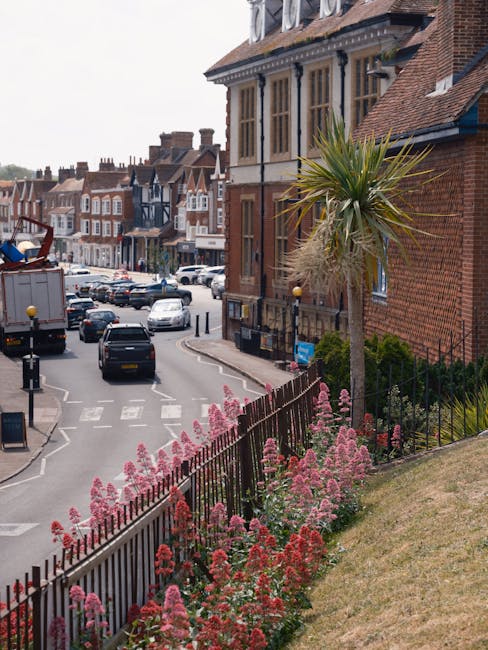
Walthamstow Central front garden maintenance guide
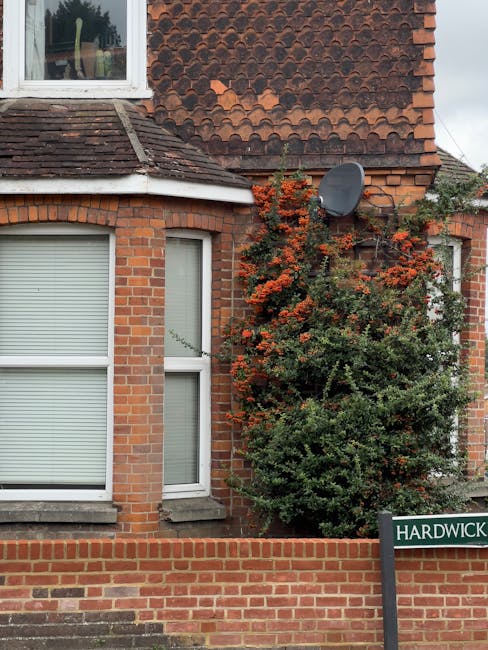
If your front garden in Walthamstow Central has started to feel a bit scruffy, you are not alone. Between narrow pavements, busy streets, patchy shade, and the usual London weather doing its own thing, front garden upkeep can slip quickly. This Walthamstow Central front garden maintenance guide is here to make the job feel manageable, not miserable. Whether you want a smarter first impression, healthier planting, or a safer, tidier entrance, the right routine makes a surprising difference. And yes, even a small space can look properly cared for with the right approach.
In the sections below, you will find practical steps, seasonal advice, common mistakes to avoid, and a simple checklist you can actually use. We will keep things realistic for local homes, local conditions, and the sort of front gardens that have to work hard all year round. Let's face it: the front garden is the bit everyone sees first, so it tends to do a lot of heavy lifting.
Why Walthamstow Central front garden maintenance matters
Front gardens are different from back gardens. They are more visible, more exposed, and usually less forgiving when jobs are left too long. In Walthamstow Central, that often means dealing with compact plots, boundary hedges, pavement edging, street dust, and planting that has to cope with both shade and sudden bursts of sun. A front garden can go from neat to neglected in what feels like two damp weeks. Bit annoying, but very normal.
Good maintenance matters because it affects more than appearance. A tidy entrance helps with access, reduces trip hazards, supports healthier plants, and can stop one problem from snowballing into three. A slightly overgrown hedge can block light. A patchy lawn can invite weeds. A slippery path can become a nuisance in wet weather. Small issues tend to feed each other.
There is also the simple matter of first impressions. If you are thinking about selling, letting, or just taking pride in your home, the front garden is often the first thing visitors notice. Not the sofa inside. Not the kitchen. The bit by the gate. That is why regular care pays off even when the garden is only a few square metres.
If your layout needs a broader refresh, it can help to pair routine upkeep with practical landscaping support or ongoing garden maintenance so the space stays workable rather than becoming a weekend rescue project.
How Walthamstow Central front garden maintenance works
Front garden maintenance is not one big task. It is a rhythm. You are balancing plant health, presentation, access, and structure. In practical terms, that means looking after the living parts, the hard surfaces, and the boundaries as a connected system.
The living parts include lawns, shrubs, hedges, climbers, pots, bedding plants, and any trees within the space or overhanging it. The hard surfaces are paths, steps, edging, driveways, and features like small patios or decked thresholds. Boundaries include fences, gates, walls, and hedges. If one of those areas is ignored, the whole front garden starts looking a bit tired. That is just how the eye works.
A sensible maintenance routine usually starts with observation. What is growing too fast? What is blocking light? Where is water sitting after rain? Which bits are getting worn by foot traffic? From there, you can set a schedule for mowing, trimming, weeding, cleaning, feeding, and seasonal tidying. The better the routine, the less heavy work you need later.
For homes with hedges at the front, regular shaping matters more than many people realise. Neat, healthy hedging gives structure and privacy, but left alone it can swallow the whole frontage. If hedge edges are getting unruly, the right answer is often a light, regular trim rather than a drastic cut back. For more detailed guidance, see hedge trimming in Walthamstow and the related privacy hedge ideas if you are deciding what to plant in the first place.
Key benefits and practical advantages
A well-kept front garden gives you more than a pretty view. The benefits are practical, everyday, and honestly a little underrated.
- Better curb appeal: A clean, balanced front space makes the whole property feel looked after.
- Safer access: Clear paths, edged borders, and trimmed plants reduce clutter and trip points.
- Healthier planting: Regular pruning, feeding, and weed control help plants compete properly.
- Less long-term work: Small, frequent jobs are far easier than one giant seasonal clear-up.
- Improved privacy: Managed hedges and screening plants can soften views without making the frontage feel closed in.
- Better drainage and tidiness: Keeping leaves, moss, and debris under control helps surfaces stay usable.
There is also a quieter benefit: your home starts feeling calmer the moment you arrive. A tidy front entrance is oddly reassuring. You notice it in the morning when you rush out, and again at night when you come back carrying shopping in the rain. That little moment matters more than it gets credit for.
If you want a front garden that feels both neat and liveable, consider adding low-maintenance planting. Ground cover can reduce bare soil, soften borders, and help suppress weeds. A useful starting point is this guide to ground cover plants, especially if you are trying to reduce ongoing effort without making the space look sparse.
Who this is for and when it makes sense
This guide is for homeowners, renters with permission to maintain the frontage, landlords, and anyone who wants a cleaner, more usable entrance without overcomplicating it. It is especially useful if you have a small urban plot, mixed boundaries, containers near the door, or a lawn that never seems to settle down. Front gardens in this part of London often need a bit of everything, truth be told.
It makes sense to step up maintenance if you notice any of the following:
- the front hedge is blocking light or encroaching on the pavement
- weeds are spreading through paving or gravel
- the lawn is thinning, patchy, or mossy
- containers are drying out too fast or looking tired
- the entrance feels cramped, cluttered, or hard to navigate
- you are preparing to sell, let, or refresh the property's appearance
It also makes sense if you are simply fed up with spending your weekends on reactive jobs. A structured plan saves time. That sounds boring, maybe, but it works.
For gardens that need help beyond routine upkeep, it may be worth combining front-garden care with local gardening services or, if the lawn is the main headache, a more focused lawn care service.
Step-by-step guidance
Here is a straightforward way to manage a front garden without letting the work pile up. You can do this yourself or use it as a checklist when briefing a professional.
- Start with a clear-out. Remove litter, fallen leaves, dead stems, broken pots, and anything blocking access. This reveals what actually needs attention.
- Assess the structure. Check hedges, fencing, edging, and any paving or decking for damage, leaning, or uneven wear.
- Cut back overgrowth. Trim hedges, shrubs, and climbers before they start crowding paths, windows, or neighbours' boundaries.
- Deal with weeds properly. Pull annual weeds by hand, scrape paving joints, and keep an eye on regrowth around walls and gates.
- Mow or tidy the lawn. Keep grass at a sensible length, avoid scalping it, and edge the borders for a sharper finish.
- Refresh soil and mulch. Top up bare borders with compost or mulch to lock in moisture and suppress weeds.
- Check watering needs. Pots and shallow beds dry out more quickly than people expect, especially near walls and in sheltered spots.
- Wash hard surfaces. Sweep paths and clean mossy or stained areas so the whole frontage feels brighter.
- Review the layout. If the space still feels cramped, consider simplifying the planting or changing the boundary treatment.
One practical habit makes a big difference: do a 10-minute front garden reset once a week. Not a full overhaul. Just a quick sweep, pull, trim, and check. It sounds small, but it keeps the whole thing from drifting into chaos.
If your frontage includes a paved apron or small seating area, patio cleaning in Walthamstow can make a huge visual difference. And if you have a timber feature that is showing its age, the right decking services can restore both appearance and safety.
Expert tips for better results
The difference between a decent front garden and a really polished one is often in the detail. Here are the kinds of things that tend to make the biggest impact.
- Trim hedges before they get floppy. Light, regular cutting is cleaner than one harsh cut every now and then.
- Keep edges crisp. A neat edge on a border or lawn makes the whole garden look deliberate.
- Choose plants that suit the site. Shade, wind, and dry soil are common near front boundaries, so match the plant to the conditions.
- Use containers strategically. Pots can brighten a narrow frontage, but too many creates clutter. One good pot is better than five tired ones.
- Repeat colours or textures. That gives a small space unity. A bit of repetition makes a garden feel designed rather than random.
- Leave a little breathing room. Front gardens look better when they are not packed edge to edge. Space matters.
It also helps to think in seasons. In spring, focus on growth and shape. In summer, keep on top of watering and trimming. In autumn, clear leaves and cut back tired growth. In winter, protect vulnerable plants and keep surfaces safe. Simple, but easy to forget when life gets busy.
For a more sustainable approach, read using gardening to reduce your carbon footprint. Small choices like composting, mulching, and picking the right plant for the space can cut waste and reduce maintenance. Not flashy. Just sensible.
Common mistakes to avoid
Most front garden problems come from overdoing one thing and ignoring another. That is the honest version.
- Letting hedges grow too large. It looks untidy and can create access or visibility problems.
- Using the wrong plant for the light. A shade plant in full sun will sulk. A sun-lover under a hedge will also sulk. Plants are dramatic like that.
- Ignoring paving weeds. Once roots settle into joints, they are much harder to remove.
- Overcrowding the bed. Too many plants leads to competition, poor airflow, and a busy look.
- Forgetting maintenance after redesign. A new layout still needs care. It is not self-running, sadly.
- Using harsh cuts at the wrong time. Some shrubs and hedges respond badly to severe pruning, so timing matters.
A lot of people also wait until the space looks bad before acting. That usually means bigger jobs, more waste, and more cost. Earlier attention is almost always easier on the wallet and your back. The back especially.
If an overgrown frontage needs a reset, this overrun garden makeover guide is a useful companion read. It is especially helpful when you are staring at a jungle and wondering where to start.
Tools, resources and recommendations
You do not need a van full of gear to keep a front garden in good shape. A small, reliable toolkit usually beats a cupboard of random gadgets that only work once. A basic set might include:
- hand fork and trowel
- secateurs and hedge shears
- lawn rake and leaf rake
- garden gloves
- spade or border spade
- bucket or trug for clippings and weeds
- broom and stiff brush for paving
- watering can or hose with a controlled spray
For larger or more awkward jobs, power tools may be useful, but only if you know they are suitable for the task and you are comfortable using them. A decent tool is one thing. Safe handling is another.
Useful resources to think about include a simple seasonal maintenance calendar, a list of plants that suit your site, and a note of what tends to fail each year. That last one sounds nerdy, but it saves money. If the same corner dries out every July, you can stop pretending it will suddenly behave differently.
For people who like a more self-sufficient approach, turning organic waste into rich soil is worth reading. Composting green waste and leaf fall can help feed borders and reduce disposal trips.
Law, compliance, standards and best practice
Front garden maintenance is usually straightforward, but a few practical rules and norms matter in a London setting. Boundaries, pavement access, and visibility all come into play. If you are trimming hedges or changing a front boundary, make sure you are not blocking the public path or creating an awkward sightline near the road or driveway entrance. Common sense goes a long way here.
If tree branches overhang your property or become unsafe, the right response is careful pruning or, where appropriate, professional tree work. Bigger tree jobs are not the place to improvise with a ladder and hope. If in doubt, it is smarter to seek proper help through tree surgery services.
For fencing, gates, or boundary repairs, keep an eye on stability, neighbour relations, and the look of the street frontage. Good practice means maintaining neat, secure edges without creating hazards. If a boundary is part of the redesign, front garden fencing support can be useful when repair or replacement is needed.
There is also the simple matter of plant choice and maintenance quality. Well-maintained hedges, safe access routes, and tidy surfaces are not just about appearance; they are part of responsible property care. If you are unsure about a change, especially near shared boundaries or public walkways, a careful, measured approach is the best one. No drama required.
Options, methods, and comparison table
Not every front garden needs the same level of intervention. Sometimes a light tidy is enough. Sometimes a redesign is the smarter move. Here is a practical comparison to help you decide.
| Approach | Best for | Pros | Limitations |
|---|---|---|---|
| Routine DIY upkeep | Small, manageable front gardens | Low cost, flexible, quick wins | Needs consistency and time |
| Seasonal professional help | Overgrown or time-poor households | Faster reset, cleaner finish, less stress | Higher upfront cost than DIY |
| Maintenance plus redesign | Spaces that feel awkward or outdated | Better layout, easier upkeep long term | Needs planning and usually more budget |
| Low-maintenance planting | Busy homes, rentals, or small plots | Less watering, less pruning, better resilience | Can look plain if overdone |
In many cases, the sweet spot is a mix: do the regular upkeep yourself, then bring in help for the heavier jobs or the bits that shape the whole frontage. That is usually where value sits.
Case study or real-world example
A typical Walthamstow Central front garden might be small, semi-shaded, and fronting a busy road. One week it looks fine. A month later, the hedge has pushed out, the border is full of self-seeded weeds, and the path is collecting moss. Nothing dramatic, just the usual drift.
In a situation like that, the most effective reset is usually pretty simple: clear the frontage, reduce hedge bulk, define the edges, refresh the border mulch, and tidy the path. If there is turf, a careful cut and a bit of feeding can lift it. If the lawn is beyond patching, replacing the weakest sections or shifting to a more resilient planting scheme can be the better call. That is the part people often hesitate over, but there is no shame in simplifying.
One homeowner might decide to keep the lawn and use compact shrubs. Another might swap part of the frontage for gravel, planters, or a small paved threshold. Both can work. The difference is whether the design matches the time they actually have for maintenance. A beautiful front garden that you cannot keep up with becomes a burden. Better to be honest about that from the start.
For projects like this, pairing the reset with professional lawn mowing or an ongoing maintenance plan can keep the new look from slipping back into chaos by autumn. Which, if we are being honest, is when most gardens get tested.
Practical checklist
Use this simple checklist for a quick front garden reset or a regular monthly review.
- Remove litter, dead leaves, and obvious debris
- Check the front path for moss, weeds, or slippery patches
- Trim hedges and shrubs before they obstruct access
- Deadhead or cut back tired planting
- Water containers and newly planted areas
- Edge the lawn and clear overgrown borders
- Inspect fencing, gates, and boundary features
- Top up mulch or compost where soil is bare
- Look for pest, disease, or drought stress
- Decide what needs DIY attention and what needs expert help
Quick expert summary: keep the front garden simple, consistent, and seasonally maintained. If you do the little jobs before they become big ones, the space stays tidy without demanding your whole weekend. That is the real trick. Nothing magical, just steady care.
Get a free quote today and see how much you can save.
Conclusion
A good front garden in Walthamstow Central does not need to be elaborate. It just needs regular attention, sensible planting, and a layout that suits real life. If you keep on top of the basics, the whole space starts working harder for you: cleaner entrance, better kerb appeal, less stress, and fewer expensive surprises later on.
The best approach is usually the one you can actually maintain. That might mean a tidy hedge, a compact lawn, a few durable shrubs, or a simpler layout with easier surfaces. Whatever shape it takes, the front garden should feel welcoming when you come home and easy to manage when you do not have much time. Small wins add up, honestly they do.
And if you are starting from a messy patch, that is fine too. Most good gardens begin as a bit of a state. What matters is getting them back under control, one practical step at a time.
Frequently Asked Questions
How often should I maintain a front garden in Walthamstow Central?
For most front gardens, a weekly quick tidy and a deeper monthly check works well. Hedges, lawns, and containers may need more frequent attention in spring and summer.
What is the most important part of front garden maintenance?
Keeping access clear is usually the priority. After that, hedge trimming, weed control, and edging make the biggest difference to appearance.
Can I keep a front garden low maintenance and still make it look good?
Yes. The trick is to reduce the number of plant types, use reliable structure planting, and avoid overcrowding. Ground cover and mulch help a lot too.
What should I do first if my front garden is overgrown?
Start with a clear-out. Remove debris, cut back the most obvious overgrowth, and then deal with weeds and surface cleaning. It is easier to plan once the garden is visible again.
Do front gardens need different care from back gardens?
Usually, yes. Front gardens tend to be more exposed, more visible, and more focused on access and presentation. They often need sharper edging and more regular tidying.
How do I stop weeds growing through paving or gravel?
Regular brushing, hand weeding, and keeping joints or gravel clear of organic debris all help. Once weeds are established, they are harder to control, so consistency matters.
Is hedge trimming really that important for a front garden?
Very much so. A hedge can define the whole frontage, but if it becomes too wide or tall, it starts making the garden feel smaller and darker. Regular trimming keeps it neat and manageable.
Should I choose a lawn or paving for a small front garden?
It depends on how you use the space. A lawn softens the look but needs more care. Paving is easier to maintain, while planting and gravel can offer a good middle ground.
When is the best time to refresh front garden planting?
Spring and early autumn are usually the most practical times. That said, container swaps and small tidy-ups can happen whenever the weather is workable and the soil is not frozen or waterlogged.
Do I need professional help for front garden maintenance?
Not always. Many tasks are simple enough to do yourself. But if the garden is heavily overgrown, the hedge is awkward, the lawn is struggling, or the layout needs reworking, professional help can save time and avoid mistakes.
How can I make a narrow front garden look bigger?
Use simpler planting, repeat a few shapes or colours, and keep lines clean. Avoid cluttering the space with too many pots or oversized shrubs. A neat, open layout usually feels larger straight away.
What is the easiest way to keep a front garden looking tidy year-round?
A short weekly routine is the easiest answer. Sweep, weed, trim small bits, and check the edges. It takes less time than letting the whole thing go and fixing it later.
Can good front garden maintenance help with privacy?
Yes. Managed hedges, climbers, and well-placed planting can screen views without making the frontage feel heavy. The key is keeping the planting shaped and balanced.
What should I do if the hard landscaping is part of the problem?
If the path, patio, decking, or boundary features are looking tired or unsafe, address those as well as the planting. A tidy garden can still look neglected if the hard surfaces are dirty or damaged.
How do I know whether to repair, redesign, or just maintain?
If the space works but looks tired, maintenance may be enough. If the layout feels awkward or too demanding, a redesign might be better. If the structure is failing, repair should come first. Sometimes the answer is a mix of all three, which is fairly normal.