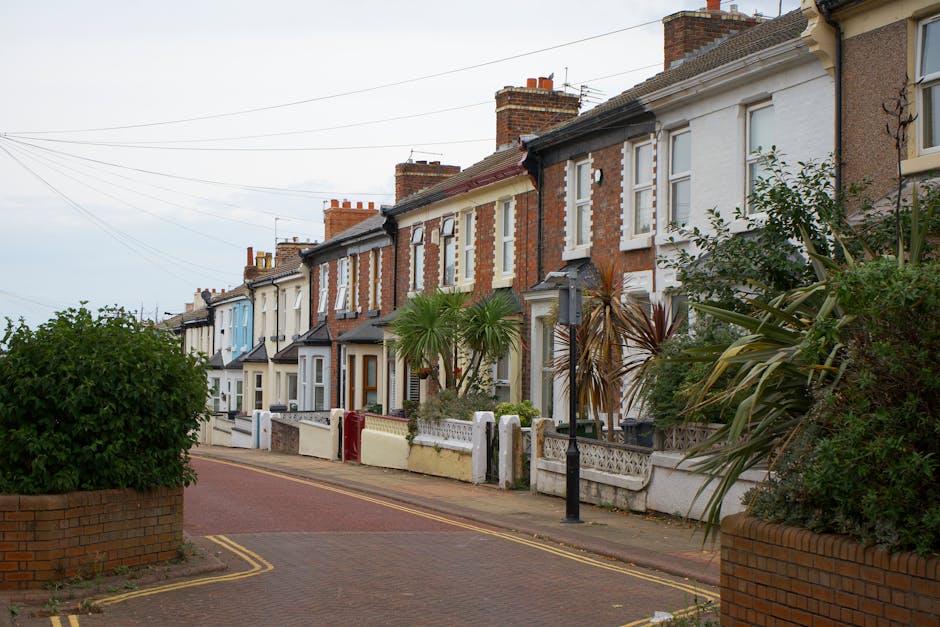
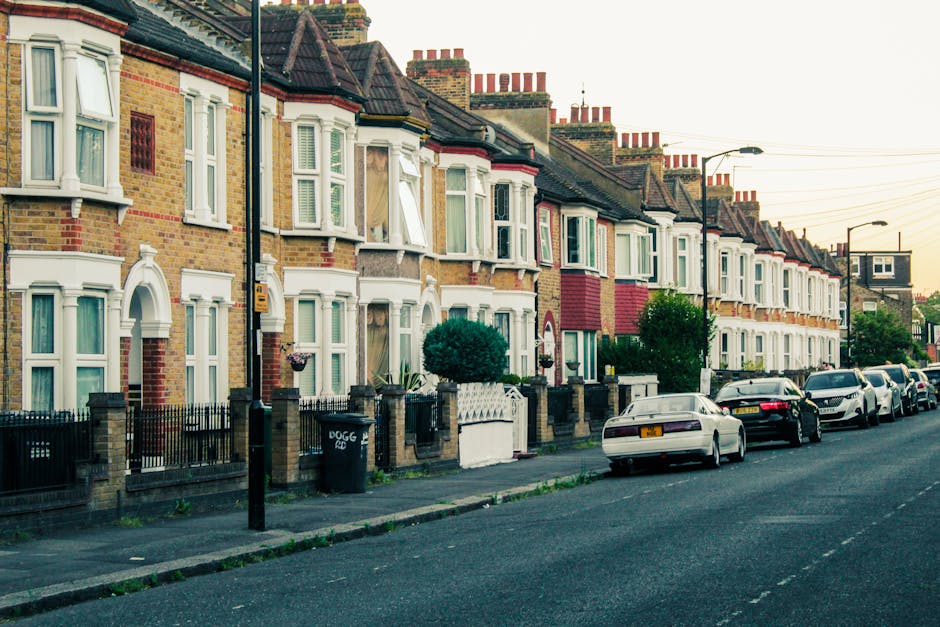
Hoe Street garden maintenance guide for E17 terraced homes
If you live in a terraced home around Hoe Street, you already know the garden can be a bit of a balancing act. Space is tight, privacy matters, neighbours are close, and one busy week can leave the whole place looking shaggy. This Hoe Street garden maintenance guide for E17 terraced homes is here to make that easier. It covers the real-world jobs that keep compact front and back gardens tidy, healthy, and pleasant to use, without turning maintenance into a second job. You will find practical seasonal advice, sensible priorities, and a few shortcuts that genuinely help when time is short.
Terraced gardens in E17 often face the same pressure points: shade from buildings, narrow side access, awkward waste removal, and a mix of paving, borders, and containers packed into a small footprint. That means good maintenance is less about doing everything and more about doing the right things at the right time. Let's get into it.
Table of Contents
- Why Hoe Street garden maintenance guide for E17 terraced homes matters
- How the maintenance process works
- Key benefits and practical advantages
- Who this is for and when it makes sense
- Step-by-step guidance
- Expert tips for better results
- Common mistakes to avoid
- Tools, resources and recommendations
- Law, compliance, standards, or best practice
- Options, methods, or comparison table
- Case study or real-world example
- Practical checklist
- Conclusion
- Frequently asked questions
Why Hoe Street garden maintenance guide for E17 terraced homes Matters
Terraced homes tend to have gardens that work hard in a small area. They are often used for relaxing, growing a few plants, hanging washing, letting children play, or simply making the house feel bigger. When maintenance slips, the garden can go from charming to cluttered very quickly. We are not talking about perfection here. We are talking about a space that feels cared for.
In E17, a neat garden also has a practical side. Overgrown hedges can block light into kitchens and back rooms. Weedy paths become slippery. Poor drainage around patios can lead to a damp, muddy mess. And if your neighbours are close, untidy boundaries have a way of becoming everyone's problem, which nobody wants on a Tuesday evening.
Good maintenance protects the structure of the garden as much as the plants. It keeps hard landscaping clean, makes access easier, and stops small issues from snowballing. A few extra minutes now can save a lot of stress later. That sounds obvious, but in real life it is easy to put off until the whole place needs a bigger reset.
If your garden needs a more substantial refresh, it can help to combine regular upkeep with broader support such as professional garden maintenance in Walthamstow E17 or a more joined-up plan through local gardening services.
How Hoe Street garden maintenance guide for E17 terraced homes Works
The simplest way to think about terraced garden maintenance is in layers. First comes the visible clean-up: leaves, weeds, debris, and anything that makes the space feel messy. Then comes the plant care: pruning, feeding, mowing, watering, and replanting. After that, you look at the built elements such as fencing, decking, paving, and sheds. Finally, you step back and check whether the layout still suits how you actually use the space.
This is why small gardens benefit from an ongoing routine rather than an occasional big blitz. A little attention every week or two can be far more effective than one exhausting weekend in spring. The jobs are usually straightforward, but the timing matters. For example, hedge trimming is easier and neater when done before growth becomes tangled, and lawn care is far better when you stay ahead of moss, compaction, and patchy edges.
On Hoe Street and across E17, the weather pattern also plays a role. Wet weeks can make lawns soft and lawns soft means footprints, ruts, and damaged edges. Dry spells can stress containers and shallow-rooted planting. So the maintenance rhythm should flex a little with the season, not stay fixed all year.
If your garden has grown into a complicated mix of features, combining maintenance with a small redesign can be very effective. A tidy layout supported by landscaping in Walthamstow E17 can make future upkeep simpler, which is one of those choices that feels boring at first and brilliant later.
Key Benefits and Practical Advantages
Regular garden maintenance in a terraced property does more than improve looks. It changes how the whole home feels and functions. A clean, structured garden can make a narrow plot feel longer, brighter, and more usable. It also tends to reduce the amount of time you spend fighting weeds, repairing damage, or clearing things that should never have been allowed to build up in the first place.
Here are the main benefits people notice:
- Better kerb appeal if the front garden is visible from the street.
- More usable space for sitting, planting, or storage.
- Healthier plants because pruning, feeding, and watering happen at the right time.
- Safer surfaces when patios, paths, and steps stay clear of algae and debris.
- Less neighbour friction from overhanging growth or boundary issues.
- Lower long-term cost because small problems are handled before they become bigger jobs.
There is also a less measurable benefit: calm. A small, tidy garden is genuinely easier to enjoy. You notice birdsong more, you sit outside more often, and the whole space feels less like a chore list. That matters. We all need at least one outdoor corner that does not shout for attention.
For people trying to keep things simple, articles like low-cost, low-maintenance garden plans can be especially useful when deciding what to keep and what to remove.
Who This Is For and When It Makes Sense
This guide is for homeowners, landlords, and tenants who want a terraced garden that stays manageable without becoming a constant project. It is especially relevant if your plot is narrow, shaded, overlooked, or divided into several small zones. Those are common conditions around Hoe Street and they change what "good maintenance" looks like.
You may need a more active maintenance routine if:
- your hedge or boundary planting blocks light
- weeds keep returning through paving or gravel
- the lawn is patchy, mossy, or difficult to mow
- containers dry out fast in summer
- the garden is used by children or pets
- you have decking, fencing, or a patio that needs seasonal attention
It also makes sense to get help when the garden has become overrun, the pruning is too high or unsafe, or you simply do not have the time. Truth be told, a lot of people are happy to handle the light tidy-up jobs but want a professional hand for the heavier work. That is normal, not a failure.
If privacy is one of your main issues, boundary planting and hedge care can be explored further through hedge trimming in Walthamstow E17 and the related advice on privacy hedges for home gardens.
Step-by-Step Guidance
Below is a practical routine for keeping an E17 terraced garden in good shape. You do not need to do every step every week, but this sequence helps you think clearly about what matters most.
1. Start with a 10-minute scan
Walk the garden and look for the obvious problems first. Broken stems, blocked drains, spilled compost, slippery patches, weeds between slabs, and branches touching windows all jump out once you slow down a bit. It sounds basic, but it prevents the common mistake of tidying one corner beautifully while ignoring the real issue two metres away.
2. Clear the surfaces
Sweep paths, patios, decking, and steps. Remove leaves, moss, and any loose soil. In a small garden, clean surfaces can make the whole place feel twice as large. If the paving is stained or slippery, a more thorough clean may be needed, especially after winter. Many people leave this until it becomes obvious, which usually means someone has nearly slipped first.
For tougher hardscape jobs, patio cleaning in Walthamstow E17 and decking services are the sort of support that can restore a tired outdoor area without replacing it.
3. Tackle weeds early
Weeds are easier to remove when they are small. That is the whole game really. Pull them by the roots where possible, and keep an eye on cracks, borders, and gravel edges. If you wait too long, you spend more time on your knees, which nobody enjoys. A small weeding habit once a week is far better than an emergency clear-out every two months.
4. Trim growth that is stealing light or space
Check hedges, climbers, shrubs, and tree branches. In terraced gardens, growth can quickly crowd paths, windows, and neighbour boundaries. Prune with a purpose: improve shape, maintain clearance, and keep plants healthy. If a tree looks too large, damaged, or risky, that is not a DIY confidence contest. It is a job for proper assessment, and tree surgery in Walthamstow E17 is the relevant route for more serious work.
5. Check the lawn or ground cover
If you have a lawn, look for compaction, moss, bare patches, and uneven edges. A tiny urban lawn is perfectly fine, by the way, but it does need consistent care. If you do not want a lawn, consider ground cover or a structured mix of paving and planting. The right choice depends on how much sun, shade, and foot traffic the space gets. For many households, a dedicated lawn mowing service or ongoing lawn care keeps the grass usable without becoming a weekly burden.
6. Water with discipline
Small gardens often have container plants or shallow beds that dry out quickly, especially in warm spells. Water deeply rather than a little bit every day. Early morning is usually best. Containers may need checking more often than borders because they heat up and dry faster. If there is one thing people underestimate, it is how fast a sunny back yard can turn bone-dry behind a brick wall.
7. Feed, mulch, and reset the soil
Soil in compact gardens gets tired. It loses structure, nutrients, and moisture-holding ability. Feeding helps, but mulch is the quiet hero: it protects soil, reduces weeds, and keeps roots cooler. Compost, leaf mould, or similar organic matter can make a huge difference over time. There is a nice circularity to it too, and the piece on organic waste becoming rich soil fits that idea well.
8. Review how the space is actually used
Ask yourself a blunt question: is the garden working for you, or are you working around the garden? If furniture blocks access, bins are awkward to reach, or the planting scheme creates maintenance headaches, it may be time to re-think the layout. Good maintenance is not just cleaning. It is making the garden easier to live with.
Expert Tips for Better Results
Small gardens reward restraint. That is probably the biggest expert lesson. If you try to fit too many plant types, ornaments, pots, and materials into a terraced plot, maintenance gets messy fast. One of the easiest ways to keep things manageable is to standardise. Repeated containers, a limited palette of plants, and a few strong structure plants often look better than a crowded mix.
Here are a few practical tips that usually pay off:
- Choose plants for the actual light levels, not the idealised ones you wish you had.
- Keep paths wide enough to move a watering can, mower, or compost bag through comfortably.
- Use vertical space with climbers or wall planting where the ground area is limited.
- Mulch after weeding so the work lasts longer.
- Trim little and often rather than waiting for a drastic cut-back.
- Protect privacy thoughtfully with hedging, trellis, or layered planting instead of only relying on fences.
Vertical planting can be especially smart in a terraced home because it frees up the floor area. If that sounds useful, the guides on vertical gardening and container gardening are worth a look.
One more thing. Do not trim everything into hard geometry just because it looks tidy for a day. Soft edges, healthy growth, and a bit of seasonal movement often feel more welcoming in real life. Gardens are not filing cabinets. Thank goodness.
Common Mistakes to Avoid
A lot of garden problems come from well-meant habits that go slightly off track. The good news is that most of them are easy to fix once you notice them.
- Cutting too much at once: sudden hard pruning can shock shrubs and hedges.
- Ignoring drainage: standing water and soggy borders often lead to bigger issues.
- Letting weeds seed: one missed week becomes a lot more work later.
- Using the wrong plant in the wrong place: shade-loving plants in hot borders or sun-lovers under deep overhangs rarely thrive.
- Overwatering containers: roots need oxygen as much as moisture.
- Forgetting boundary growth: overhanging branches and hedge spread can create tension with neighbours.
- Maintaining only the visible bits: hidden corners, drains, and fence lines matter too.
Another common one is treating a small garden like a big one. It is not. In a terraced home, every square metre has to earn its keep. That means being choosy, sometimes ruthlessly so. If a feature is hard to maintain and not really used, consider simplifying it.
Tools, Resources and Recommendations
You do not need a shed full of expensive gear to keep a Hoe Street garden in good shape. A sensible starter set is usually enough. A sharp pair of secateurs, sturdy gloves, a hand fork, a hoe or weeding knife, a rake, a broom, watering cans, and a good mower if you have turf will take you a long way.
For more involved work, a few additional tools can help:
- Long-handled shears for hedge shaping and hard-to-reach growth
- Edging tools for clean borders around lawns and paths
- Leaf bags or garden waste containers for quick clear-ups
- Pressure washing equipment only when suitable for the surface and set correctly
- Compost bins or tubs for recycling organic waste into usable soil improver
When you are deciding whether to do a task yourself or bring in help, consider height, weight, access, and repeat frequency. Light trimming and sweeping are fine for many householders. Heavy pruning, large waste removal, and larger renovation jobs can quickly turn into a weekend that gets away from you. The page on essential gardening equipment offers a useful frame for choosing what is actually worth owning.
If the garden has become more of a blank canvas than a maintenance task, a browse through this overrun garden makeover guide can help you decide where to start.
Law, Compliance, Standards, or Best Practice
For most homeowners, garden maintenance is about good practice rather than formal compliance. Still, a few sensible standards matter in London terraced areas. If trees, hedges, or fences are near a boundary, keep an eye on overhang, root spread, and access. If work involves height, heavy tools, or unstable branches, take safety seriously and do not improvise. That is where professional judgement is worth paying for.
Noise, waste handling, and neighbour relations also matter. Try to schedule louder work considerately, especially in close terraced streets where sound carries. Clear green waste promptly so it does not smell or attract pests. And if you are changing shared boundaries or visible frontages, good communication avoids unnecessary friction. A short, friendly conversation can save a lot of awkwardness later.
For people with pets or children, safety deserves a bit of extra thought. Avoid leaving sharp tools out, check for toxic plants, and make sure any cleaned paving or decking is fully suitable to walk on. If you want more ideas on planning around family life, gardens with pets and child-friendly garden ideas are both helpful perspectives.
Options, Methods, or Comparison Table
In terraced gardens, the real choice is often not between perfect and imperfect. It is between different ways of keeping things under control. This quick comparison may help.
| Approach | Best for | Pros | Watch-outs |
|---|---|---|---|
| DIY weekly upkeep | Small, simple gardens with light planting | Low cost, flexible, good for quick wins | Easy to miss bigger issues or delay heavier jobs |
| Seasonal DIY deep clean | Households with limited time but some gardening confidence | Feels satisfying, keeps the garden reset a few times a year | Can become physically demanding and inconsistent |
| Regular professional maintenance | Busy homeowners, landlords, or complex gardens | Consistent quality, less stress, easier to stay ahead | Requires a budget and a provider you trust |
| Mixed approach | Most terraced homes in E17 | Practical, cost-aware, and easy to adapt through the year | Needs a clear division of tasks |
For many Hoe Street homes, the mixed approach makes the most sense. You handle light tidying and watering, while a trusted local team handles pruning, mowing, hedge work, or more technical jobs when needed. It keeps the garden moving forward without dominating your weekends.
Case Study or Real-World Example
A typical E17 terraced back garden might start as a narrow strip with a small lawn, a few tired shrubs, a cracked patio, and a hedge that has grown wider than expected. The owners often tell themselves they will sort it "next month", and then suddenly it is late spring and the whole space feels cramped. You can almost smell the damp moss on the paving after a wet week.
In a realistic refresh, the first step is usually clearing and cutting back: hedge trimming, weed removal, patio cleaning, and a proper edge to the lawn. Then comes the decision-making part. Which plants are actually worth keeping? Which patch is too shaded for turf? Would containers or ground cover work better near the house? Maybe the fence needs repair before new planting makes sense. Maybe decking would improve the seating area more than more lawn ever could.
What tends to work best is a simple, staged approach. One visit focuses on reclaiming the space. A second pass improves structure. After that, upkeep becomes far easier. People are often surprised by how different the garden feels once the boundaries are clear and the surfaces are clean. Not fancy. Just calm and usable. That is usually the sweet spot.
If the garden needs rebalancing rather than just tidying, it can be worth exploring fencing in Walthamstow E17 or even a more considered layout through landscaping support so the space becomes easier to manage long term.
Practical Checklist
Use this quick checklist to keep a Hoe Street terraced garden on track. It is simple, but simple is good.
- Check the garden once a week for weeds, dead growth, and blocked surfaces
- Water containers and new planting before they become stressed
- Trim hedges and shrubs before they spread into paths or windows
- Mow or edge the lawn when growth starts to look uneven
- Sweep patios, steps, and decking regularly
- Remove moss, leaves, and slippery debris after wet weather
- Feed plants during the growing season as needed
- Top up mulch or compost to protect soil
- Inspect fences, gates, and boundaries for wear
- Book help for higher, heavier, or more technical jobs
Expert summary: the best terraced garden maintenance is steady, not dramatic. Keep the garden tidy enough to enjoy, healthy enough to last, and simple enough that you can stay on top of it without dread. That balance matters more than perfect symmetry ever will.
If you are ready to bring order back to the garden, a straightforward next step is to speak with a local team that understands compact urban plots and the realities of E17 homes. The easiest starting point is often the one that removes the most pressure first.
Get a free quote today and see how much you can save.
Conclusion
Maintaining a terraced garden on Hoe Street is really about making a small space work hard without letting it wear you down. Once you break the job into manageable layers, it becomes much less intimidating. Clear the surfaces. Keep the plants in shape. Stay on top of weeds and watering. Review the layout now and then. That steady rhythm will do more for your garden than a frantic overhaul every couple of years.
And if the work is simply too much, that is fine too. Some gardens need a bit of help, some need a reset, and some need both. The important thing is getting the space back to being a place you want to step into, even on a grey London afternoon. Small garden, big difference.
Frequently Asked Questions
How often should I maintain a terraced garden in E17?
For most terraced homes, a light weekly check and a more thorough tidy every couple of weeks works well. During spring and early summer, you may need to do a little more because growth can race ahead quickly.
What is the most important part of garden maintenance for a small Hoe Street garden?
The biggest priorities are usually weeds, hedge and shrub control, and keeping paths or patios clean and safe. Those jobs have the fastest impact on both appearance and usability.
Should I keep a lawn in a narrow terraced garden?
Not always. A lawn can work if the garden gets enough light and you are happy to mow and care for it. In shaded or heavily used spaces, containers, ground cover, or a patio-led layout can be easier to manage.
How do I stop my garden from looking overgrown so quickly?
Trim little and often, remove weeds before they seed, and avoid adding too many different plants or features. Simple layouts are far easier to keep tidy in a terraced setting.
What should I do if my hedge is blocking light to the house?
Light reduction is a common issue in terraced gardens. Careful hedge trimming can restore balance without stripping the planting bare. If it is tall, wide, or awkward to reach, professional help is a sensible choice.
Is patio cleaning worth it for a small back garden?
Yes, absolutely. In a small garden, a clean patio can change the whole feel of the space. It also helps with safety if the surface has become slippery or stained.
Do I need professional help for garden maintenance?
Not for every job. Many homeowners can manage routine watering, light weeding, and sweeping. Professional help becomes more useful for larger pruning jobs, lawn care, hedge cutting, tree work, or when the garden has become too much to reset alone.
What are the best low-maintenance options for E17 terraced homes?
Container planting, evergreen structure, well-chosen shrubs, ground cover, and simple paved areas are all popular low-maintenance choices. The key is matching the design to the amount of light and time you actually have.
How do I keep a terraced garden private without making it feel boxed in?
Use a mix of hedges, trellis, and layered planting rather than one heavy wall of greenery. That tends to soften the boundaries while still giving you privacy.
What should I do with garden waste after maintenance?
Separate green waste where possible and compost suitable material if you have the space. For larger clear-outs, arrange responsible removal so the garden is not left with piles of cuttings sitting around for days.
When is the best time to trim hedges and shrubs?
The best time depends on the plant type, but generally it is easier to maintain shape with regular light trimming rather than waiting for large, messy growth spurts. Avoid cutting nesting wildlife areas during the wrong season, and use care around bird activity.
Can landscaping make maintenance easier in the long run?
Yes. Thoughtful landscaping can reduce awkward corners, improve drainage, and replace hard-to-care-for areas with simpler materials or planting. A better layout often saves time every week after that.
What if my garden has awkward shade from neighbouring buildings?
Shade is common in terraced streets, and it does not mean the garden has to fail. Choose shade-tolerant planting, reduce turf if necessary, and use containers or climbers in the brighter spots. A garden can still feel lovely even with less direct sun.