Garden clearance on Lea Bridge Road Walthamstow: a practical guide to a cleaner, safer outdoor space
If your garden has started to feel more like storage than a place to relax, you are not alone. Garden clearance on Lea Bridge Road Walthamstow is often the fastest way to reset an outdoor space that has become overgrown, cluttered, or simply difficult to manage. Whether you are dealing with brambles, leaf build-up, broken planters, stubborn weeds, or a border that has gone a bit wild after a few busy months, a proper clearance can turn things around quickly.
In a busy stretch of Walthamstow, gardens often have to work hard. They need to look tidy, stay usable, and cope with limited time for upkeep. This guide explains what garden clearance involves, how the process works, what to watch out for, and how to decide whether you need a one-off tidy-up or a more structured plan. Straightforward stuff, but useful.
Why Garden clearance on Lea Bridge Road Walthamstow Matters
A neglected garden rarely stays "just a bit messy" for long. Weeds spread into paving joints, dead growth creates shelter for more pests, and a blocked path starts to feel awkward every time you step outside. On a practical level, garden clearance is about taking back control before small problems turn into bigger, more expensive ones.
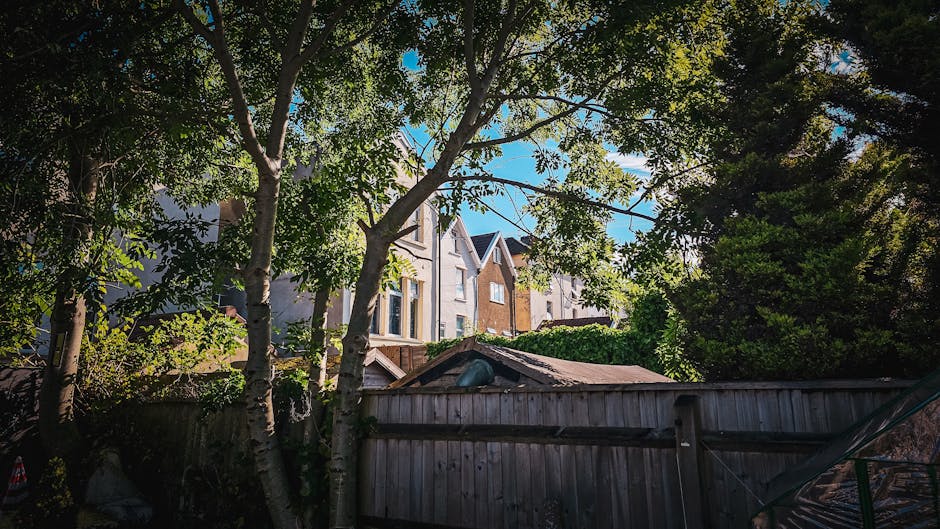
Along Lea Bridge Road and nearby parts of Walthamstow, gardens can vary a lot. Some are compact courtyard spaces behind terraced homes. Others are longer plots with old shrubs, timber sleepers, tired lawns, or mixed hard landscaping that has seen better days. The clearance needs to respect that variety. You do not want a brute-force tidy that leaves the space bare and lifeless. You want something sensible, clean, and ready for the next stage.
There is also the simple matter of safety. Fallen branches, hidden glass, unstable piles of waste, and wet, slippery growth can all create hazards. If children, pets, or older family members use the garden, getting it cleared properly makes everyday life easier. Nothing fancy there. Just common sense, really.
Garden clearance also matters because it sets the tone for everything else that follows. A space that is cleared well is easier to maintain, easier to mow, easier to plant, and easier to enjoy. If you are planning follow-on work such as regular garden maintenance in Walthamstow, it is much simpler to start from a clean slate than to keep fighting through neglected growth.
How Garden clearance on Lea Bridge Road Walthamstow Works
A proper clearance is more than just bagging up green waste. It usually starts with a quick look at the site so the job can be sized up properly. That might sound obvious, but it matters. A small garden with a few dense borders needs a different approach from a larger one with heaps of cuttings, root growth, and awkward access at the rear.
Most clearances follow a sequence: remove loose waste, cut back overgrowth, deal with weeds and self-seeded plants, collect larger debris, and then finish with raking, sweeping, and loading. If a patio or path is buried under moss, mud, or old leaves, it is often worth pairing the work with patio cleaning in Walthamstow so the hard surfaces actually look finished rather than half-done.
When there are shrubs, hedges, or small trees in the way, some properties need extra attention. Trimming back overgrowth can open up light, improve access, and stop plants from creeping into fence lines or neighbouring boundaries. In those cases, a linked task such as hedge trimming services or even tree surgery support may be part of the same visit.
There is usually a judgement call about what stays and what goes. A good clearance should not strip out healthy planting without reason. It should remove dead, invasive, unsafe, or unwanted material while preserving anything worth keeping. That balance is what separates a useful clearance from a rushed one.
Key Benefits and Practical Advantages
The obvious benefit is that your garden looks better. But the real value goes a bit deeper than that. A cleared garden becomes usable again. You can walk across it without avoiding trip hazards. You can see the structure of the space. And you can actually plan the next move, whether that is turf repair, planting, fencing, or a complete redesign.
- Improved access: paths, bins, sheds, and side returns become easier to reach.
- Better light and airflow: cutting back dense growth helps damp spaces dry out more quickly.
- Lower pest pressure: removed debris reduces hiding spots for rodents, insects, and slugs.
- Easier maintenance: once the clutter is gone, routine care takes far less time.
- Better planning: a cleared space helps you see where new features or planting could work.
There is also a psychological lift, which people sometimes underestimate. Open the back door after a proper clearance and the whole place feels different. Cleaner. Brighter. Less chaotic. You may even find yourself using the garden more often, which is half the point. No one wants to sit among old cuttings and broken pots if they can help it.
If the end goal is a longer-term transformation, the clearance phase can connect neatly with landscaping services in Walthamstow or with a wider gardening services plan. That way, you are not just clearing the mess; you are setting up the next stage properly.
Who This Is For and When It Makes Sense
Garden clearance is a sensible choice for a wide mix of households. Let's face it, not everyone has the time, tools, or physical energy to bring an overgrown outdoor space back under control. That does not mean the garden has to stay overwhelming.
This service tends to make sense if you are:
- preparing a property for sale or letting
- moving into a home with a neglected garden
- coming back from a long period of poor weather or limited upkeep
- trying to reclaim a family garden that has become cluttered
- dealing with seasonal build-up after autumn or winter
- planning a redesign and need a blanker, cleaner starting point
It is also useful if the space is physically hard to manage. Narrow side access, heavy clay soil, old roots, and awkward corners can all make a garden feel harder work than it should be. In those cases, bringing in a proper clearance team can save a lot of strain. And yes, it can save a few weekends too.
If your lawn has suffered as well, it may be worth thinking beyond clearance alone. A tidy-up followed by lawn mowing in Walthamstow or ongoing lawn care often gives the best overall result.
Step-by-Step Guidance
Here is a simple way to think about the clearance process, whether you are doing it yourself or briefing a professional team. Not every garden needs every step, but this order usually works well.
- Assess the space. Walk the garden carefully and identify overgrowth, waste, hazards, and anything you want to keep.
- Separate the obvious clutter. Move out old pots, broken furniture, loose tools, and bags of debris.
- Cut back bulk growth. Tackle tall weeds, brambles, dead stems, and tangled plant material first.
- Remove roots and invasive material. This matters if you want the space to stay tidy longer than a week.
- Clear hard surfaces. Sweep paths, patios, and steps so the whole site starts to look coherent.
- Sort green waste from general waste. This makes disposal simpler and cleaner.
- Check the boundaries. Make sure fences, sheds, and neighbouring lines are not being damaged by the cut-back work.
- Finish with a final rake and sweep. It sounds basic, but this is where the job starts to feel properly finished.
A useful tip: do not wait until every corner is perfect before you clear the first section. Start with the areas that affect access, such as the path to the back gate or the space near the shed. Once those are open, the rest of the job feels more manageable. A little momentum helps.
If the garden has existing timber structures or tired edging that are getting in the way, a broader tidy-up may also link well with fencing work in Walthamstow or decking services if those features are due for repair after the clearance.
Expert Tips for Better Results
In our experience, the best clearances are the ones that leave the garden easier to manage, not just tidier for the afternoon. That means thinking ahead a bit.
- Work from the top down: deal with tall growth before ground-level weeds, otherwise you end up trampling the same areas twice.
- Keep one eye on drainage: if you uncover blocked gullies, compacted soil, or waterlogged corners, note them early.
- Protect what still has value: a plant may look rough but still be worth saving. If in doubt, pause and inspect rather than hacking away.
- Use the clearance to plan future maintenance: once the garden is visible again, it becomes easier to see where a monthly routine would help.
- Think about privacy and structure: after a hard reset, features like hedges, screens, or new planting can reintroduce shape and comfort.
There is one small truth people learn quickly: a neglected garden often hides more work than expected. What looked like "a bit of weed pulling" can turn into several bags of waste and a very honest afternoon. That is normal. Better to plan for that than pretend otherwise.
If you want the garden to grow back in a manageable way, some soft structural planting can help. Ideas such as ground cover, climbers, or privacy hedges may be useful after the clearance, especially if the goal is to fill gaps without creating another maintenance headache. A useful starting point is this guide to ground cover plants and this article on privacy hedges.
Common Mistakes to Avoid
Garden clearance is one of those jobs where the obvious mistakes are usually the expensive ones later on. A tidy-looking result on day one is not enough if the underlying problems were ignored.
- Cutting everything to the ground without checking first: you may remove viable plants, nesting areas, or useful structure by accident.
- Leaving roots behind: if you only trim the top growth of invasive weeds, they often return fast.
- Mixing waste carelessly: a jumble of green waste, rubble, old timber, and broken plastic is harder to remove responsibly.
- Forgetting access routes: a clearance that blocks the back gate or side return creates extra work at the end.
- Ignoring safety gear: gloves, boots, and eye protection matter more than people like to admit.
Another common slip is trying to make a clearance do the job of a redesign. Clearing is the reset. It is not the finish line. If your garden needs a new layout, there is no harm in clearing it first and then deciding on next steps later. Sometimes the smartest move is not rushing the makeover. It is giving yourself a proper blank canvas.
Tools, Resources and Recommendations
If you are tackling a clearance yourself, a few basic tools make a big difference. You do not need a truckload of equipment, but you do need the right essentials.
| Tool or item | Why it helps | Best for |
|---|---|---|
| Heavy-duty gloves | Protects hands from thorns, rough stems, and hidden debris | Brambles, nettles, general clearance |
| Loppers or secateurs | Helps cut back thicker growth cleanly | Shrubs, stems, smaller branches |
| Rake and broom | Useful for final surface tidying | Leaves, loose cuttings, patios |
| Waste bags or sacks | Keep waste separated and easier to move | Green waste, light debris |
| Wheelbarrow | Saves repeated carrying and awkward lifting | Bulkier garden waste |
If you are choosing between doing it yourself and hiring help, ask a simple question: will I still have the energy to maintain the result after the clearance? If the honest answer is no, a professional clearance may be the more sensible option. There is no medal for making life harder than needed.
It can also be useful to think about the garden as a whole system. For example, if the soil is dense with old material, you might later want to improve composting habits. This article on turning organic waste into rich soil is a handy follow-up. And if you want a more low-effort garden once the clearance is done, low-cost, low-maintenance garden ideas can help you choose the right direction.
Law, Compliance, Standards, or Best Practice
For garden clearance, the main point is not to overcomplicate things, but to stay sensible and responsible. Waste should be handled properly, and any work that could affect boundaries, trees, or shared access should be approached carefully. In the UK, that usually means paying attention to what is garden waste, what is general household waste, and what may need separate handling if it is bulky or awkward.
If a clearance includes larger woody material, old fencing, timber sleepers, or mixed rubble, it should not all be treated the same way. Sorting items correctly makes disposal cleaner and usually more efficient. If trees are part of the job, be cautious around Tree Preservation Orders, nesting birds, and boundary ownership. If you are unsure, it is better to pause than to assume.
Best practice is also about respect for neighbours. Loud work at unsociable times, dust drifting over shared paths, or cuttings spilling into an adjacent property can cause unnecessary friction. A tidy, well-planned clearance keeps the job smooth for everyone involved. Simple, but that is often what makes the difference.
For more substantial outdoor changes after clearance, a joined-up plan with landscaping support or support from a trusted local gardening team is often the best next step.
Options, Methods, or Comparison Table
There are a few ways to approach garden clearance, and the right choice depends on time, access, scale, and how much of the result you want to keep looking good after the first week.
| Method | Best for | Pros | Trade-offs |
|---|---|---|---|
| DIY clearance | Small jobs, light seasonal tidy-ups | Lower upfront cost, full control | Time-consuming, physically demanding, easy to underestimate |
| One-off professional clearance | Overgrown gardens, move-out prep, major resets | Fast, efficient, usually more thorough | Higher upfront spend than DIY |
| Clearance plus ongoing maintenance | Gardens that keep drifting back into chaos | Better long-term control, less stress later | Needs a commitment to keep it going |
If the garden has multiple problem areas, a combined approach often works best. For example, clearance for the overgrowth, then lawn work, then a final tidy of paths and edges. That is often more effective than trying to fix everything with one quick pass.
Case Study or Real-World Example
Picture a typical Walthamstow back garden: a narrow paved path, a tired lawn, a few shrubs that have grown into each other, and a corner where old pots, cuttings, and broken bits have quietly accumulated. Nothing dramatic. Just the sort of place that slowly stops being used because it has become too much effort.
The clearance begins with the obvious clutter. Bags are lifted out, paths are opened, and the brambles are cut back so you can actually walk through without getting snagged. Once the access is clear, the rest of the space becomes easier to judge. A patch of lawn appears again. The shape of the border returns. A fence line that was hidden now shows its condition more honestly.
After that, the owner can make decisions properly. Maybe the lawn needs recovery. Maybe the fence needs attention. Maybe the border can be simplified with low-maintenance planting. The important thing is that the garden is no longer running the conversation. You are.
That sort of turnaround is common on Lea Bridge Road and surrounding streets because many gardens have good bones but have simply been left to get on with it. A careful clearance does not need to be glamorous. It just needs to be thorough. And, truth be told, the before-and-after difference can be a bit of a relief.
Practical Checklist
Use this checklist before, during, or after your garden clearance:
- Walk the full garden and note hazards, waste, and areas to keep
- Check access points, side passages, and gate widths
- Separate green waste from general rubbish early
- Protect any plants, features, or structures worth saving
- Cut back tall growth before tackling ground-level detail
- Sweep paths, patios, and steps at the end
- Inspect fence lines, sheds, and edges for hidden damage
- Decide whether follow-up work is needed, such as mowing or hedge trimming
- Plan how you will keep the garden manageable afterwards
- Book the next maintenance step before the clearance momentum fades
If you already know the garden needs a fuller refresh, it may be worth looking beyond the clearance itself. A bit of structure goes a long way. Even one tidy, level path can make the whole space feel calmer.
Conclusion
Garden clearance on Lea Bridge Road Walthamstow is not just about removing mess. It is about restoring function, reducing stress, and creating room for a better outdoor space. Whether you need a one-off reset or the first stage of a larger garden project, the right clearance gives you clarity. Literally, in some cases.
The smartest approach is usually simple: clear carefully, keep what still has value, deal with waste properly, and think one step ahead. That way, the garden does not just look better for a day. It becomes easier to live with.
And if your garden has been nagging at the back of your mind for weeks, there is something quietly satisfying about dealing with it properly. Fresh air, open space, and a clean start. Hard to beat that.
Get a free quote today and see how much you can save.
Frequently Asked Questions
What does garden clearance on Lea Bridge Road Walthamstow usually include?
It usually includes removing overgrowth, cutting back weeds and brambles, gathering loose waste, clearing paths, and loading debris for disposal. The exact scope depends on the condition of the garden.
How is garden clearance different from garden maintenance?
Clearance is the reset stage: it deals with neglected or overgrown areas. Maintenance is the ongoing work that keeps the garden tidy afterwards, such as mowing, pruning, edging, and seasonal upkeep.
Can a clearance be done in one visit?
Often, yes, especially for smaller gardens or moderate growth. Larger or heavily neglected spaces may need more than one visit, particularly if there is a lot of waste or awkward access.
What should I do before the garden team arrives?
Move personal items, unlock access gates, and make a quick note of anything you want to keep. If there are fragile plants or hidden hazards, mention them early so nothing gets missed.
Do I need to be home during the clearance?
Not always, but it helps if someone can answer questions about what should stay or go. For more complex gardens, being available at the start is usually the safest option.
Will garden clearance remove all the waste?
It should remove the agreed waste from the job, but it is worth checking in advance what is included. Some items may need separate handling if they are bulky, heavy, or mixed with non-garden materials.
Is it worth clearing a garden before landscaping?
Yes. Clearing first gives a better view of the space, makes measurements easier, and helps reveal any issues with soil, drainage, or boundaries before new work begins.
What if my garden has a lot of weeds and roots?
That is very common. A proper clearance should deal with the visible growth and, where possible, remove or reduce the root sources so the problem does not return immediately.
Can garden clearance help with a neglected rental property?
Absolutely. A cleared garden can improve presentation, reduce safety risks, and make the property feel more cared for. It is often one of the quickest ways to improve first impressions.
Do I need hedge trimming or tree work as well?
If the overgrowth includes hedges, shrubs, or small trees, then yes, those tasks may be part of the same job. Trimming back that growth can make the garden safer and much easier to maintain.
How often should a cleared garden be maintained afterwards?
That depends on the size and planting style, but most gardens benefit from regular attention rather than waiting until things become untidy again. A simple maintenance routine is usually enough to keep control.
What is the best next step after a major clearance?
Once the space is clear, assess what actually matters most: lawn recovery, boundary repairs, planting, patio cleaning, or a new layout. A little planning now can save a lot of work later.